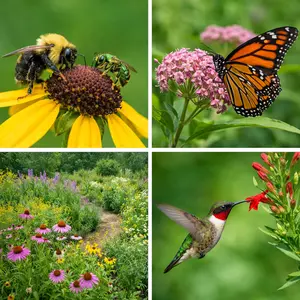
Pollinator Resources for Missouri
Local Pollinator Resources of Missouri to Help You Plant For Them
This page will walk you through local pollinator resources. Missouri is home to far more pollinators than most people realize. Yes, we have honeybees—but our ecosystems also rely on native bees, butterflies and moths, beetles, flies, wasps, ants, and hummingbirds. These pollinators help native wildflowers reproduce, support healthy habitats, and contribute to the food systems we all depend on.
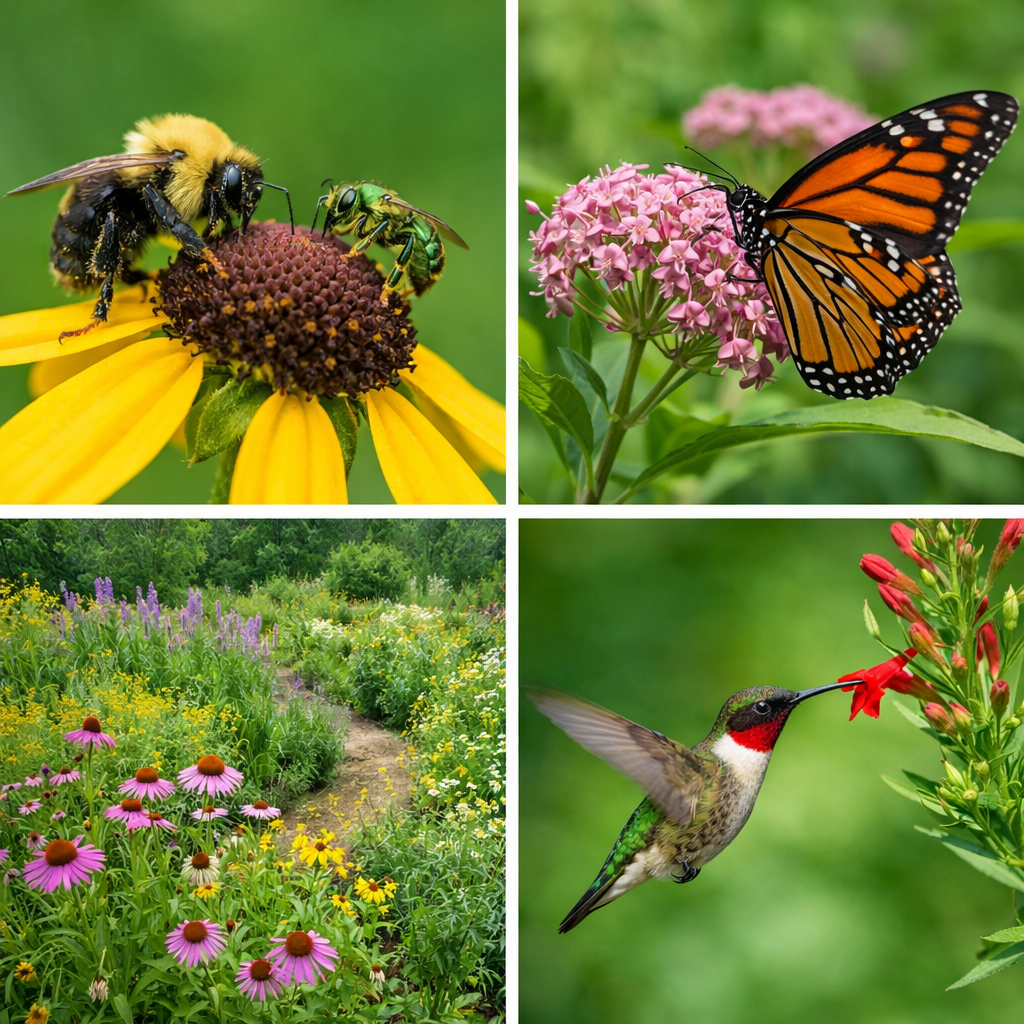
At the Highway 13 Butterfly Trail, our goal is simple: make it easier for everyday people—families, landowners, schools, and communities—to create small patches of habitat that add up to a powerful corridor across Missouri.
You don’t have to be an expert to help
If you can plant a few flowers, leave a little “wildness,” and reduce chemicals, you can support pollinators. This page gives you a practical, Missouri-friendly starting point for pollinator resources.
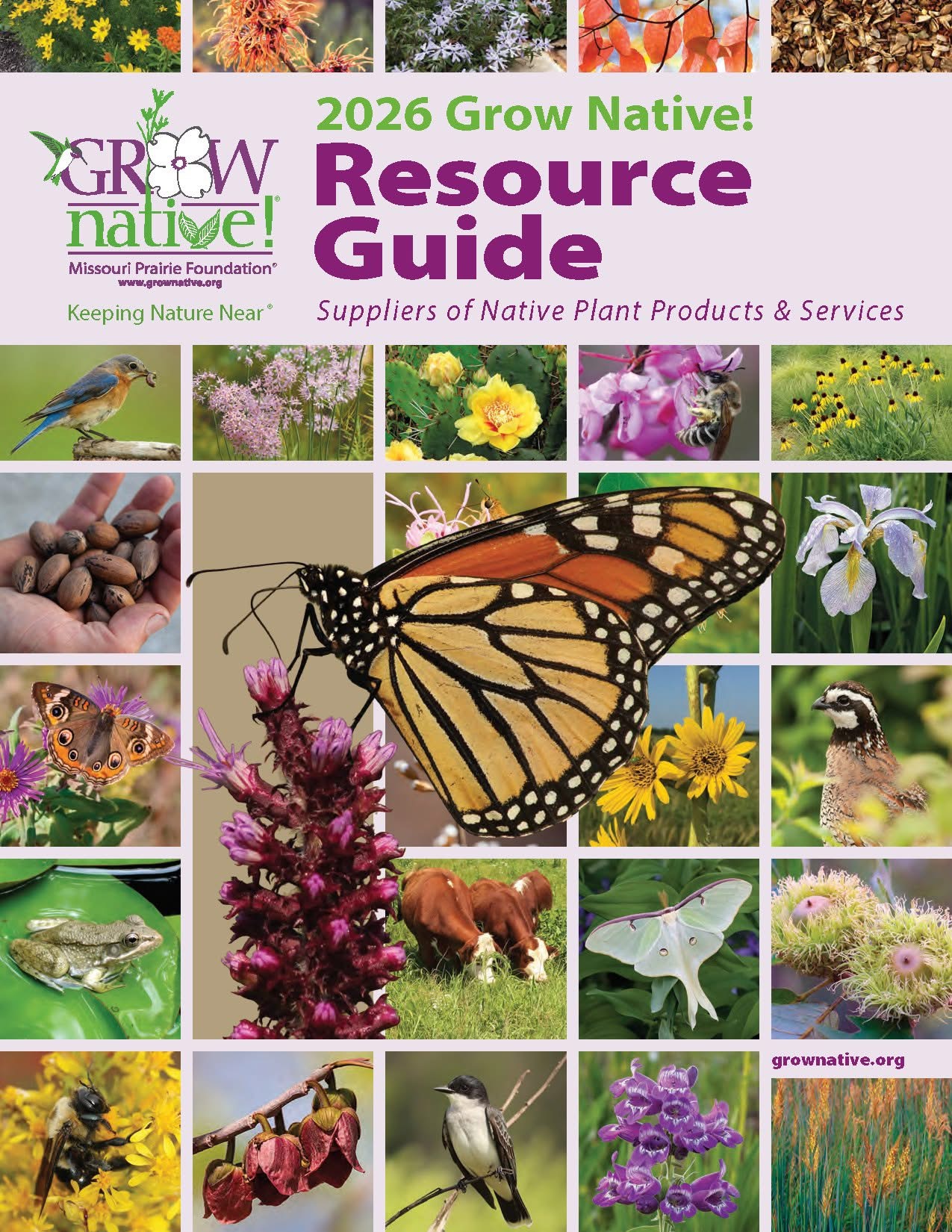
Pollinator Resources Spotlight: Grow Native! Resource Guide (2026)
Missouri Prairie Foundation
𝐃𝐞𝐚𝐝𝐥𝐢𝐧𝐞 𝐄𝐱𝐭𝐞𝐧𝐝𝐞𝐝 𝐭𝐨 𝐅𝐫𝐢𝐝𝐚𝐲 -- 𝐆𝐞𝐭 𝐚 𝐅𝐫𝐞𝐞 𝟐𝟎𝟐𝟔 𝐆𝐫𝐨𝐰 𝐍𝐚𝐭𝐢𝐯𝐞! 𝐑𝐞𝐬𝐨𝐮𝐫𝐜𝐞 𝐆𝐮𝐢𝐝𝐞 𝐃𝐞𝐥𝐢𝐯𝐞𝐫𝐞𝐝 𝐭𝐨 𝐘𝐨𝐮𝐫 𝐃𝐨𝐨𝐫
MPF's 16-page 2026 Grow Native! Resource Guide includes a directory of Grow Native! professional members who grow and sell native seeds, plants, shrubs, and trees; provide native plant landscaping services, including landscape architecture, design, land care, and tree care; and organizations or communities that educate and support native landscaping. The guide—available in print and as a searchable online resource—also provides tips on native plants to address specific landscaping situations.
Submit your request by this Friday to receive a free copy of the 2026 Grow Native! Resource Guide hot off the presses and sent directly to your postal mailbox: Click Here https://ow.ly/VQqH50YcYQL
Meet Missouri’s pollinators (quick guide)
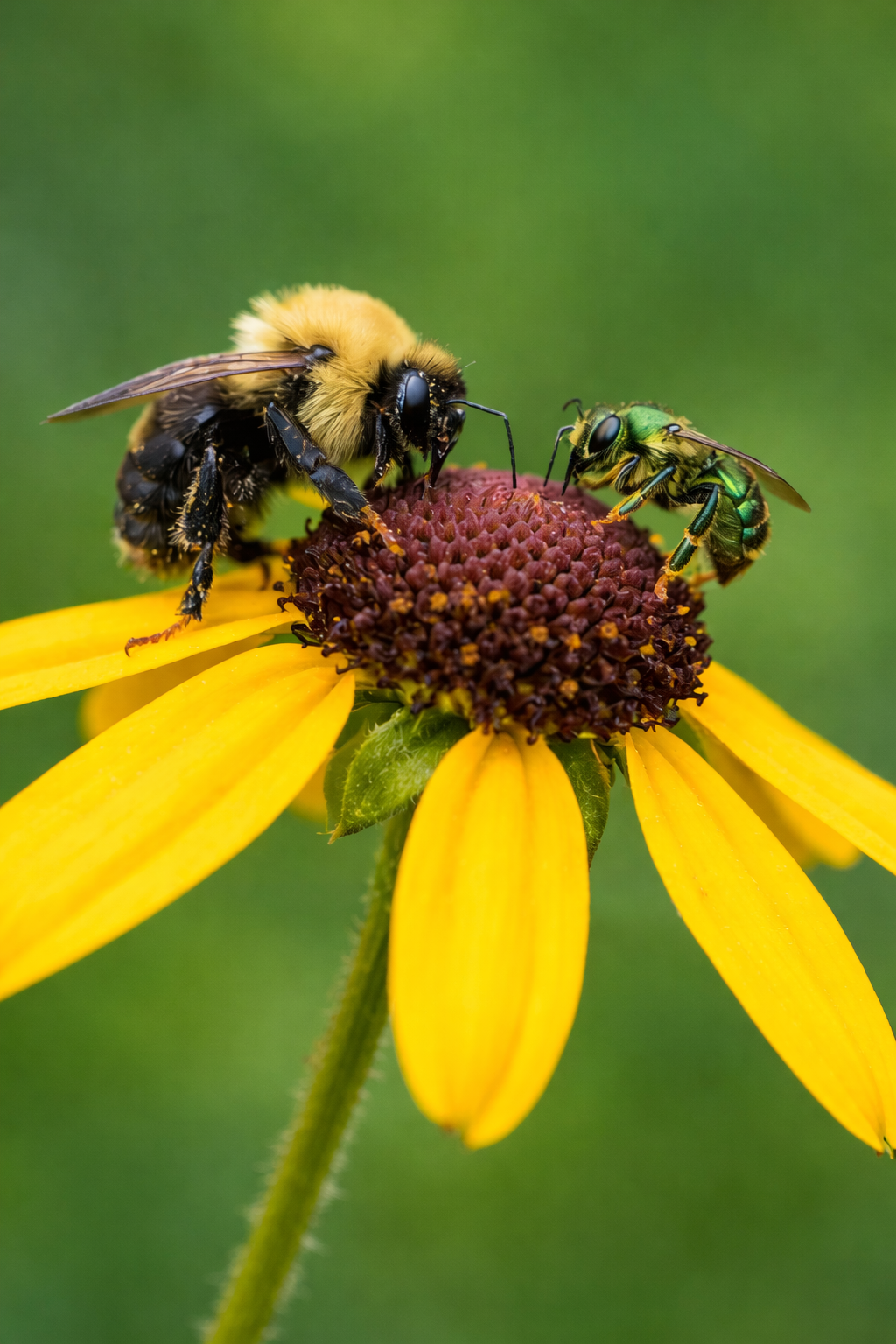
Native bees (the MVPs)
Missouri has many kinds of native bees (including bumble bees and many small solitary bees). Unlike honeybees, many native bees nest in bare soil, in plant stems, or in small cavities.
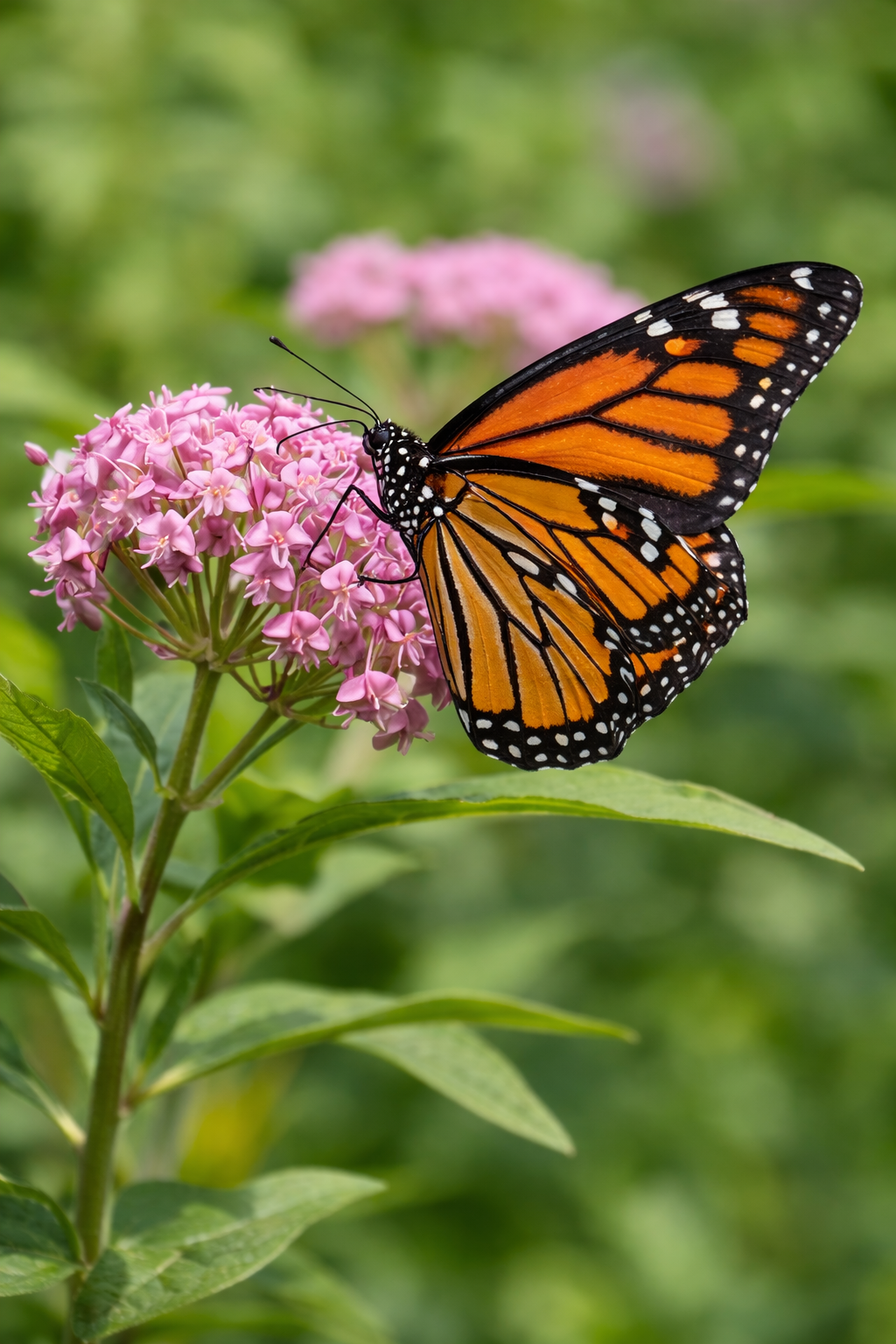
How to help: Butterflies (and moths!)
- Plant a mix of flowers that bloom from spring to fall
- Leave some bare ground or “unmulched” edges for nesting
- Avoid spraying flowering plants
Butterflies are only part of the story—moths are major pollinators too, especially at night. Pollinators need both nectar plants (adult food) and host plants (baby/caterpillar food).
How to help: Beetles, flies, wasps, ants & more
- Plant host plants (not just pretty flowers)
- Leave some stems/leaves through winter where insects shelter and overwinter
These insects are often overlooked, but they play real roles in pollination and the overall food web. Many also help with natural pest control.
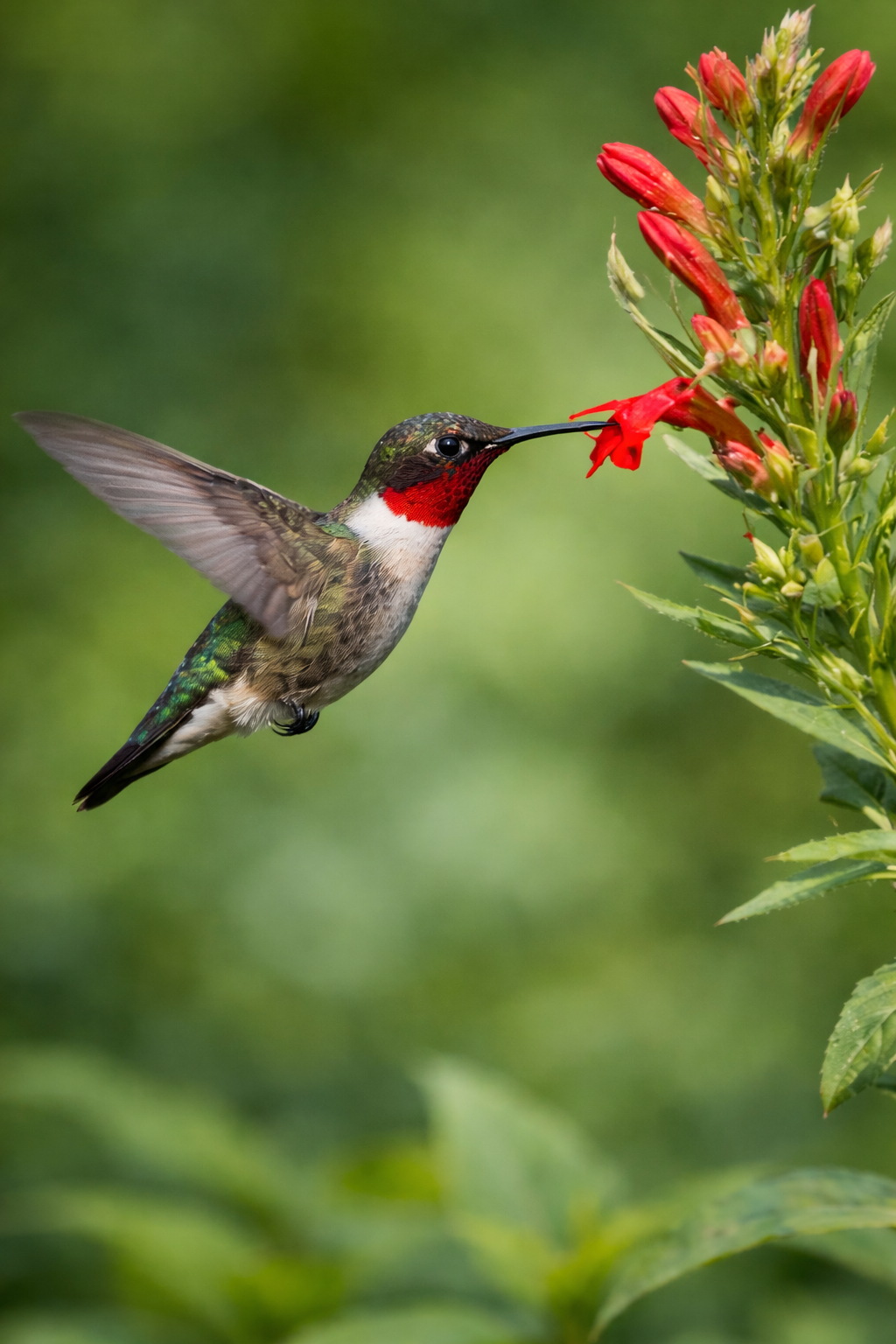
How to help: Hummingbirds
- Include a variety of flower shapes (flat, clustered, tubular)
- Let a few herbs or native plants flower before trimming
Hummingbirds pollinate some plants and also eat insects—so diverse, pesticide-free habitat helps them too.
What pollinators need (the “5 basics”)
Healthy pollinator habitat isn’t complicated. According to the Missouri Department of Conservation, good habitat includes nectar-rich flowers, plus places for overwintering, nesting, and larval development, like bare soil and residual stems from last year’s growth.
1) Flowers across the whole season
Aim for continuous blooms:
2) Native host plants
- Spring (early food)
- Summer (peak activity)
- Fall (fuel before migration/winter)
Nectar helps adults—but host plants are what make reproduction possible.
3) Nesting + shelter
Leave:
4) Water
- Some bare ground
- Some stems/leaf litter
- A few “messy” edges
A shallow dish with stones, a damp patch of soil, or a small rain garden can help.
5) Fewer chemicals
If you must treat pests, try targeted options and avoid treating blooming plants.
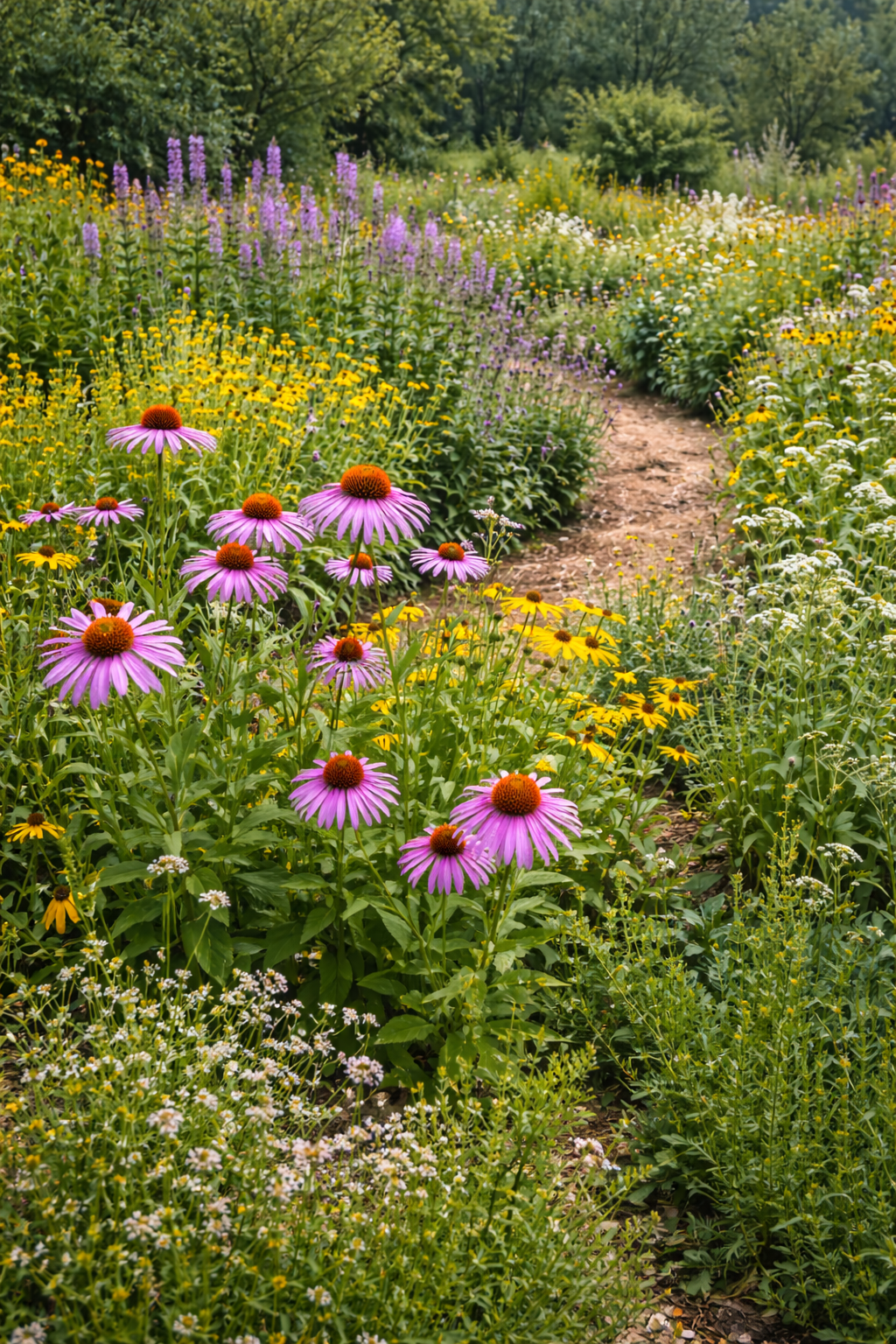
Start simple: a Missouri-native planting plan (doable for beginners)
If you only do one thing, do this: pick 6–12 native plants and aim for a mix of bloom times.
Option 1: Easy sunny starter patch (most yards)
Choose a mix of well-behaved Missouri natives that are home-garden friendly. The Missouri Botanical Garden has a great list of natives that generally require less maintenance for home landscapes.
Option 2: Small-space or “one container” habitat
Even containers can support pollinators if you choose the right plants. (Yes—porch pots count.)
Option 3: “Tough spots” and practical habitat (ditches, edges, rural lots)
If you’re planting along a fence line, a driveway edge, or a sunny corner that bakes in summer, native plants are often more resilient once established—and they support local insects better than many ornamentals.
Missouri-native plant and pollinator resources (trusted places to learn)
If you want to go deeper (without getting overwhelmed), these are excellent Missouri-friendly resources:
- Missouri Department of Conservation: Pollinators & habitat basics
- Grow Native! (Missouri Prairie Foundation): Resource Guide + Native Plant Database
- Missouri Botanical Garden: recommended natives for home gardens + native landscaping resources
- University of Missouri Extension: Native insect pollinators & habitats
FAQ's
Do I have to plant a huge garden to help?
No. Even a small native bed or a few native containers can provide nectar and habitat stepping-stones.
Should I cut everything down in fall?
Many pollinators benefit when we leave stems and some leaf litter through winter for shelter and overwintering.
Where do I buy natives?
The Grow Native! Resource Guide and Native Plant Database are great starting points for Missouri sources.
Top beginner native plants for pollinators (North Missouri + statewide)
These are Missouri natives that are commonly recommended for home landscapes and pollinator value. Use them as a starter list and aim for at least 6–12 plants total with spring + summer + fall bloom times. (The Missouri Botanical Garden specifically recommends “well-behaved” natives for home gardens.)
12 solid “starter” natives (mix & match)
Milkweeds (host + nectar)
- Butterfly milkweed (Asclepias tuberosa) – tough, sunny, great for butterflies; blooms May–Sept; also a monarch host plant.
- Swamp milkweed (Asclepias incarnata) – best for wetter spots/rain garden edges (great statewide pick).
Pollinator workhorses (easy wins)
- Purple coneflower (Echinacea purpurea) – classic, durable, pollinator magnet.
- Black-eyed Susan (Rudbeckia hirta) – fast color, great beginner plant.
- Bee balm / wild bergamot (Monarda spp.) – hummingbirds + bees love it.
- Blazing star (Liatris spp.) – butterflies love these spikes.
- Goldenrods (Solidago spp.) – huge late-season nectar (fall is crucial).
- Asters (Symphyotrichum spp.) – another top fall bloom group.
Structure + habitat (grasses matter!)
- Little bluestem (Schizachyrium scoparium) – native grass adds habitat + winter structure.
- Prairie dropseed (Sporobolus heterolepis) – tidy, beautiful, very garden-friendly.
Shrub/tree options (if you want “bigger habitat”)
- Eastern redbud (Cercis canadensis) – early blooms help spring pollinators.
- Serviceberry (Amelanchier spp.) – early flowers + wildlife value.
*(If you’d rather not guess, you can search conditions and plant types in the Grow Native! Native Plant Database.
Quick “choose your spot” planting mini-lists
If your spot is sunny + dry (roadside edges, south-facing, rocky)
Start with: butterfly milkweed + little bluestem + black-eyed Susan + blazing star. If your spot is sunny + moist (ditches, low areas, rain garden edges)
Start with: swamp milkweed + asters + goldenrods (then add a grass). If your spot is part shade (near trees, east side of house)
Start with: pick 2 shade-tolerant natives from the Missouri Botanical Garden “home garden” list + add spring/fall bloomers for season coverage.
North Missouri note
North Missouri tends to have more open, prairie-influenced landscapes in many areas, so prairie wildflowers + native grasses often do really well in sunny spaces. If you’re unsure, use a small patch first, then expand.
The Missouri Botanical Garden even provides a simple seed/patch approach for native wildflowers (small area or pots/containers) you can mirror for Trail-friendly micro-plantings.
The “don’t overthink it” habitat rule
In addition to flowers, pollinators need places for overwintering and larval development, like bare soil and residual stems from last year’s plants.
Translation: it’s okay to leave some stems and leaves longer into spring. (University of Missouri Extension has also been encouraging “leave the leaves” for pollinator habitat.)
Hopefully these local pollinator resources have been helpful and happy planting!
You might like these
Support the Highway 13 Butterfly Trail
Support the Highway 13 Butterfly Trail
How you can help the Highway 13 Butterfly Trail
How you can help the Highway 13 Butterfly Trail - important links
Donate to the Highway 13 Butterfly Trail today
Donate to the Highway 13 Butterfly Trail today. Every little bit helps - read more here!
Recent Articles


-
New Article!
Feb 28, 26 01:28 PM
Transforming Highway 13 into a Pollinator Paradise A grassroots effort is transforming Highway 13 into a connected landscape of wildflowers from Iowa to Arkansas. By Jordan Blomquist Mar 2026 -
Pollinator Resources for The Highway 13 Butterfly Trail
Feb 15, 26 03:05 PM
 Pollinator Resources. Every garden patch matters. Our mission is to build a connected chain of native habitat that supports pollinators, & educates communities,
 -
The podcast is up! Here is episodee 1
Feb 02, 26 02:39 PM
Season 1, Episode 1 The Origin Story of the Highway 13 Butterfly Trail